Thinking about new windows in Scotland? Perhaps not the most exciting topic, but the impact on your home’s style and efficiency is anything but dull. From the classic charm of sash to the modern flair of tilt and turn, each window type brings unique benefits that can transform your living space. But it’s not just about aesthetics; the right windows can significantly enhance energy efficiency and sustainability, especially in Scotland’s challenging climate. Exploring window types and materials like uPVC, timber, and aluminium is crucial for making informed decisions that balance cost, maintenance, and performance. Discover how enhancing your home’s style leads to improved functionality.
Exploring Window Types and Styles in Scotland
Selecting the right window type is crucial for both the aesthetic appeal and the functionality of a property. The diverse weather conditions in Scotland necessitate windows that not only complement the architectural style of a home but also enhance its energy efficiency and comfort. Different window styles offer unique advantages, making it essential to choose according to specific needs.
- Casement Windows: These windows are hinged on the side and open outward like a door, providing excellent ventilation. They are easy to operate and offer unobstructed views, making them a popular choice for modern homes.
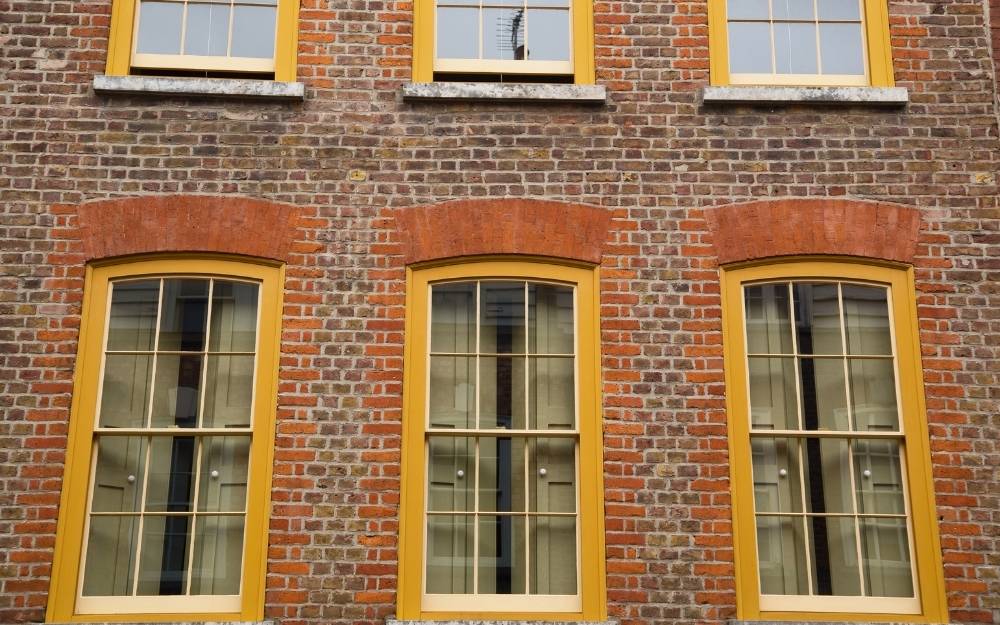
- Sash Windows: Known for their classic design, sash windows slide vertically. They are ideal for traditional properties, offering a timeless aesthetic while also allowing adjustable ventilation.
- Tilt and Turn Windows: These versatile windows open in two ways—tilting inward from the top for ventilation or swinging in like a door for easy cleaning and emergency exits. Their functionality suits both contemporary and traditional homes.
- Bay Windows: Comprising multiple panels that extend outward, bay windows create additional interior space and allow more light into a room. They are perfect for enhancing the façade of a building while providing panoramic views.
Each window style can significantly influence a home’s visual appeal and functionality. Casement windows offer a sleek, modern look, while sash windows preserve historic charm. Tilt and turn windows provide adaptability, and bay windows enhance the architectural interest and light exposure. Choosing the right style can enhance both the exterior appearance and interior comfort of a property, aligning with the specific needs and preferences of the homeowner.
Choosing the Right Materials for New Windows
Choosing the right frame materials for new windows Scotland installations is essential for improving both the functionality and aesthetic appeal of a property. Popular options such as uPVC, timber, and aluminium each provide distinct benefits and considerations, affecting durability, maintenance requirements, and overall energy efficiency. As a result, material selection plays a critical role in achieving long-lasting performance and enhancing the visual character of a home.
- uPVC Windows: Known for their durability and low maintenance, uPVC windows are highly favoured in Scotland. They offer excellent insulation properties, contributing to energy efficiency, and are resistant to weathering, making them ideal for the Scottish climate. Additionally, they are cost-effective compared to other materials.
- Timber Windows: Valued for their traditional aesthetic, timber windows bring a classic charm to properties, particularly in conservation areas. While they offer good insulation, they require regular maintenance to prevent decay and maintain their appearance.
- Aluminium Windows: Appreciated for their strength and sleek design, aluminium windows provide a modern style with slim sightlines. They are highly durable, with excellent resistance to corrosion, but may not insulate as effectively as uPVC or timber.
The choice of window material impacts both the initial cost and the ongoing maintenance requirements. uPVC windows, while affordable and low-maintenance, may not suit all aesthetic preferences. Timber windows, though aesthetically pleasing, demand higher maintenance and costs. Aluminium windows offer durability and style but may require additional insulation measures. Deciding on the right material involves balancing these factors to meet both budgetary and stylistic needs.
Understanding Window Installation Services in Scotland
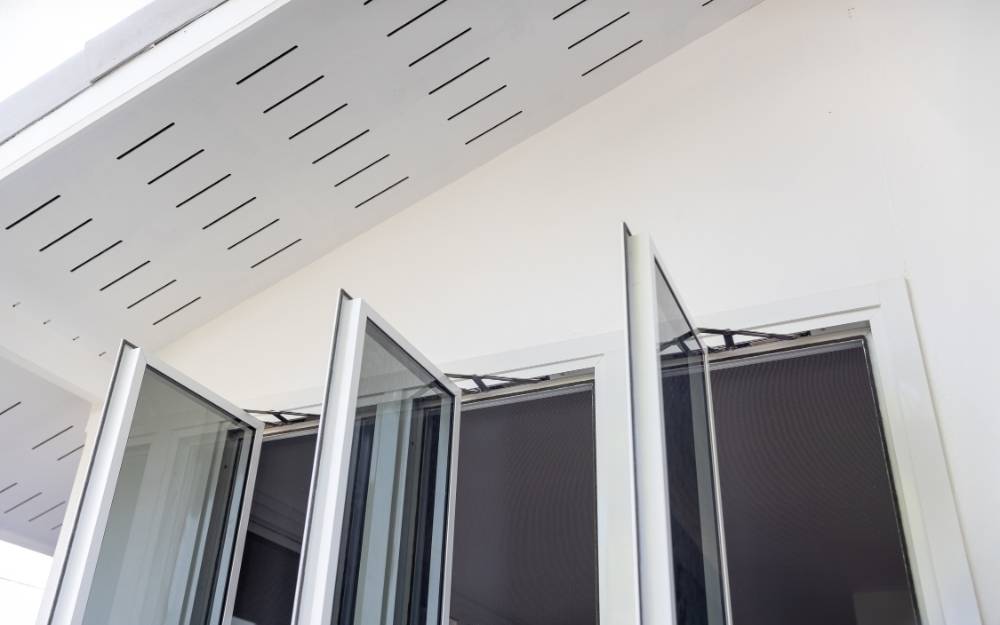
Professional window installation services play a critical role in ensuring the performance and longevity of new windows. In Scotland, where weather conditions can be quite challenging, proper installation is vital to maximise energy efficiency and durability. Whether dealing with high winds, heavy rain, or cold temperatures, the right installation can prevent issues such as draughts and water leaks, thereby enhancing the overall effectiveness of the windows.
- Experience: Choose installers with a proven track record in the industry. Experienced fitters are more likely to understand the nuances of different window types and materials, ensuring a precise and effective installation.
- Customer Reviews: Look for feedback from previous clients. Positive reviews can indicate reliable service and quality workmanship, which are essential for enduring window performance.
- Local Expertise: Select installers familiar with Scottish weather conditions and building regulations. Local knowledge helps in tailoring the installation process to meet the specific demands of the region and ensures compliance with regulatory standards.
Engaging local window fitters offers significant advantages. They are more attuned to the unique architectural styles and climatic challenges of Scottish homes, enabling them to provide bespoke solutions. Additionally, local fitters are often more accessible for post-installation support, ensuring that any adjustments or issues are promptly addressed. This local expertise not only enhances the installation quality but also contributes to the long-term satisfaction and performance of the windows.
Pricing and Costs of New Windows in Scotland
The cost of new windows in Scotland is influenced by several factors, including material, size, style, and installation complexity. How much does a new window typically cost in Scotland? A new window can cost anywhere from £300 to £1,500. This range reflects the diversity in choices available, from basic uPVC windows to bespoke timber or aluminium designs. Understanding these variables is crucial for budgeting and making informed decisions.
| Material/Style | Average Cost |
|---|---|
| uPVC | £300 – £600 |
| Timber | £700 – £1,200 |
| Aluminium | £800 – £1,500 |
| Casement | £350 – £700 |
| Sash | £850 – £1,400 |
| Bay | £1,000 – £1,500 |
Obtaining multiple quotes from different suppliers is essential to ensure competitive pricing and high-quality service. This approach not only allows for a comparison of costs but also offers insight into the range of services and guarantees provided by different companies. By gathering several estimates, homeowners can better negotiate terms and select a provider that offers the best balance between price and quality, ensuring that their investment in new windows delivers significant returns in terms of comfort and energy efficiency.
Maximising Energy Efficiency and Sustainability
Energy efficiency in windows is a vital aspect of reducing heating costs and minimising environmental impact. In Scotland, where the climate is characterised by high winds and frequent rain, selecting the right windows can significantly enhance a home’s thermal performance. Energy-efficient windows help maintain a stable indoor temperature, reducing reliance on heating systems and consequently lowering energy bills. Furthermore, they contribute to a home’s overall sustainability by decreasing carbon emissions associated with heating.
- Double/Triple Glazing: These windows feature multiple panes of glass separated by a spacer, creating an insulating layer that reduces heat loss. Triple glazing offers superior insulation compared to double glazing, making it ideal for colder climates.
- Thermal Insulation: High-quality window frames with thermal breaks prevent heat transfer, enhancing the window’s ability to maintain interior warmth during cold weather.
- Low-Emissivity Glass: This type of glass has a special coating that reflects heat back into the room while allowing light to pass through. It helps keep interiors warm in winter and cool in summer, improving overall energy efficiency.
- Window Seals and Frames: Effective seals and well-fitted frames prevent draughts and water ingress, crucial for maintaining energy efficiency in a climate prone to wind and rain.
Eco-friendly window solutions involve using sustainable materials that reduce environmental impact. For instance, timber windows sourced from responsibly managed forests offer a renewable option, while uPVC frames can be recycled at the end of their lifecycle. Additionally, selecting suppliers who prioritise sustainable practices can further enhance the environmental benefits. By investing in energy-efficient and sustainable windows, homeowners contribute to a greener future while enjoying the immediate benefits of reduced energy costs and a more comfortable living environment.
Navigating Scottish Building Regulations for Windows
Compliance with Scottish building regulations is essential when installing new windows, as these regulations ensure safety, energy efficiency, and environmental sustainability. Adhering to these standards not only guarantees that the installation is legal but also enhances the property’s performance and value. Understanding the regulations helps homeowners make informed decisions, particularly when dealing with Scotland’s unique weather conditions.
- Energy Efficiency Standards: Windows must meet specific energy ratings to minimise heat loss and improve insulation, contributing to overall energy savings and comfort.
- Safety Considerations: Safety glazing is required in critical areas such as doors, low-level windows, and those near stairs to prevent injury in case of breakage.
- Ventilation Requirements: Adequate ventilation is necessary to ensure good air quality and prevent moisture build-up, reducing the risk of damp and mould.
To ensure compliance with Scottish building regulations, it is crucial to consult professionals who are knowledgeable about local laws and standards. These experts can provide tailored solutions that meet both legal requirements and personal preferences. Engaging experienced local companies familiar with the intricacies of Scottish regulations can streamline the installation process, ensuring that all necessary permissions and standards are met.
Final Words
Selecting new windows in Scotland involves understanding various aspects, from types and styles to materials, installation, and costs.
Choosing the right window can enhance both functionality and aesthetics, while material selection influences maintenance and costs.
Professional installation ensures optimal performance, and local expertise is invaluable, given Scottish weather conditions.
Furthermore, energy efficiency remains a top priority, with sustainable solutions offering additional benefits.
Navigating building regulations is essential to remain compliant.
By considering these factors, homeowners can enjoy the long-term benefits of their new windows in Scotland.

Eleanor is a literary historian who explores the evolution of writing systems, from ancient scripts to modern digital text.